
How to Make a Monster
2026; 7-Channel Film Installation with Immersive Soundtrack & Photography Series; looping, 20:00
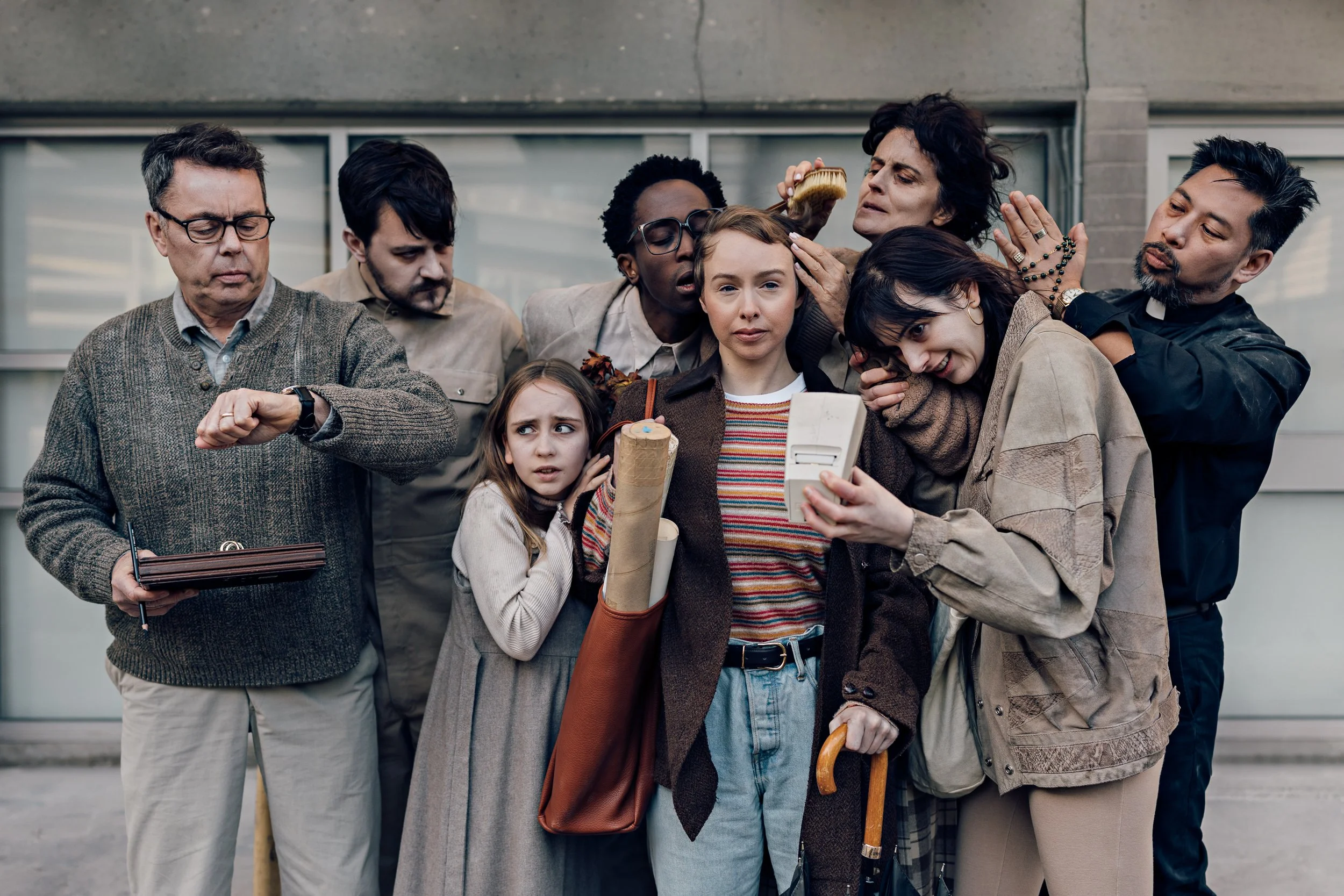
This project dissects the messy, universal forces that create the monsters we carry inside - those internal critics, inherited judgments, and whispered warnings that shape how we think of ourselves and move through the world.
At its core is a 20-minute multichannel film following a protagonist as she confronts a cast of seven characters, each embodying a different internalized voice: parental expectations, peer pressure, societal messaging, religious conditioning & more.
The installation does not just tell a story - it builds a mind around the viewer. Surrounded on all sides, the audience steps directly into the protagonist’s inner workshop, witnessing the construction, distortion, and confrontation of her personal monsters in a visceral, embodied experience of self-perception. Along the way, the work also reveals subtle techniques for transforming negative self-talk into positive, empowering voices, giving viewers not just insight into the inner workings of the mind, but tools for navigating and reshaping it.
This project was created as part of the 2026 Langara College Artists in Residence Program.
We gratefully acknowledge their funding and support.
Our project premiered to the public on April 1, 2026 at Langara College with an artist talk on April 9, 2026.
More information about the exhibition and artist talk here.
Press: SAD Magazine, The Georgia Straight, Vancouver is Awesome, & Datenight.
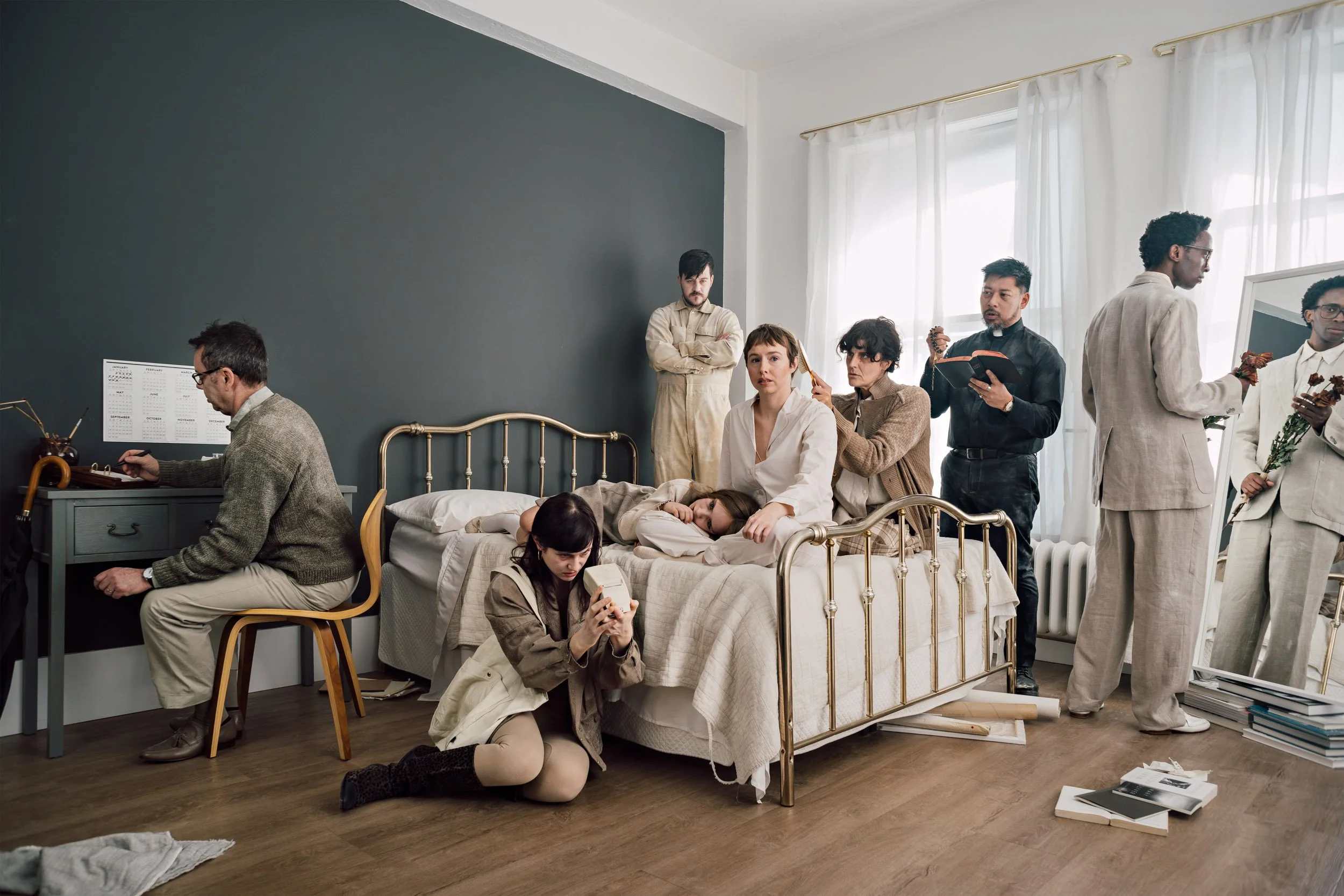
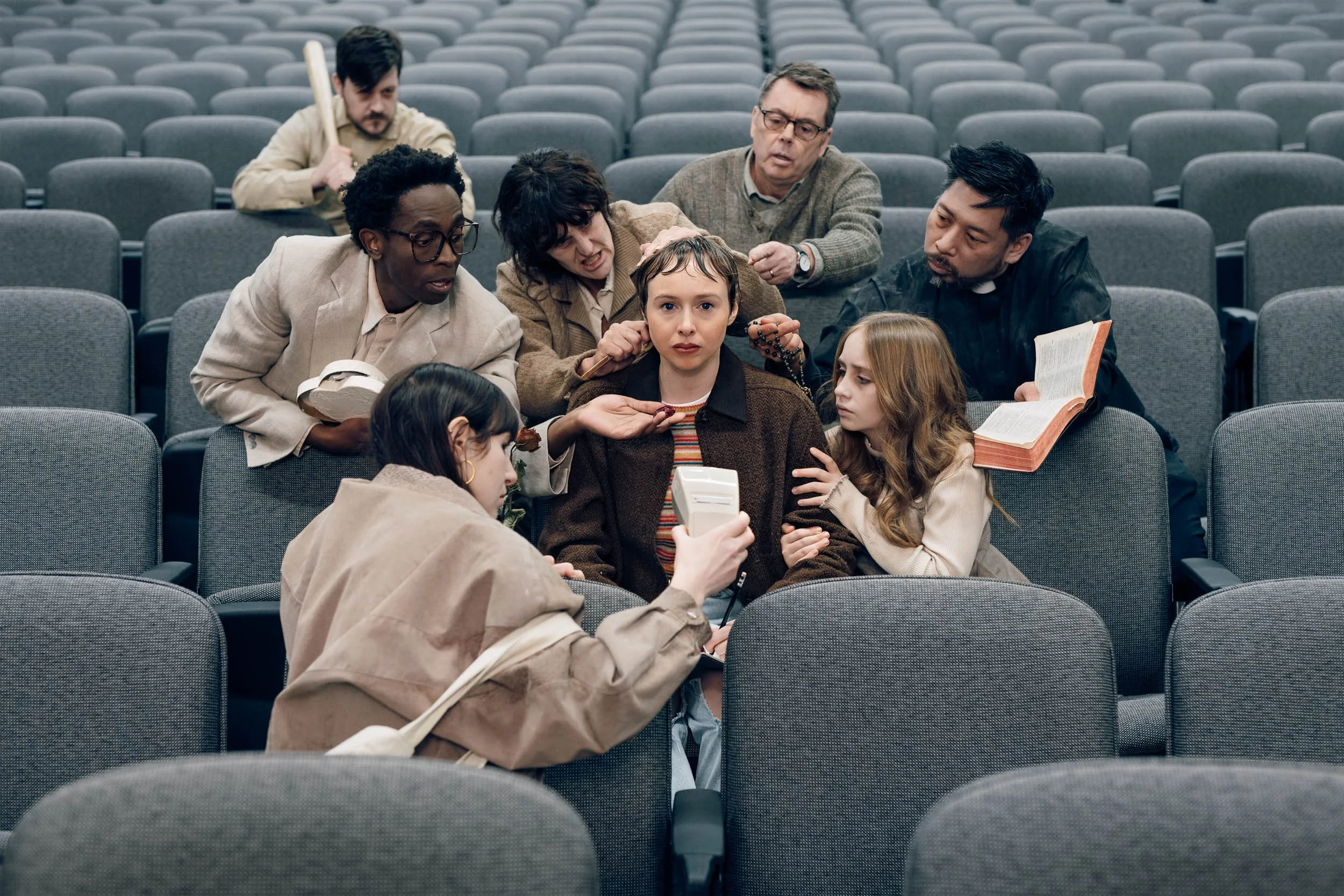
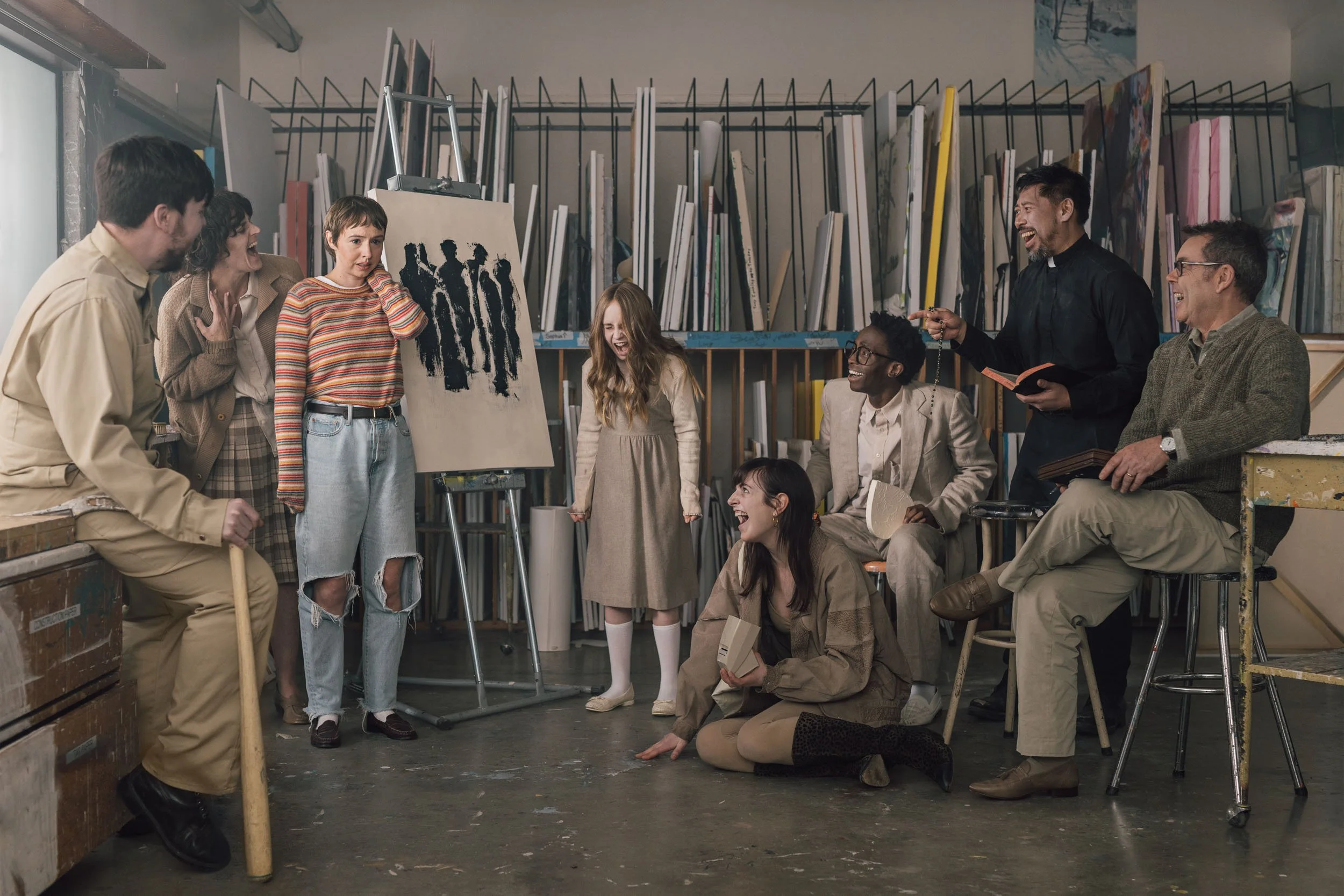
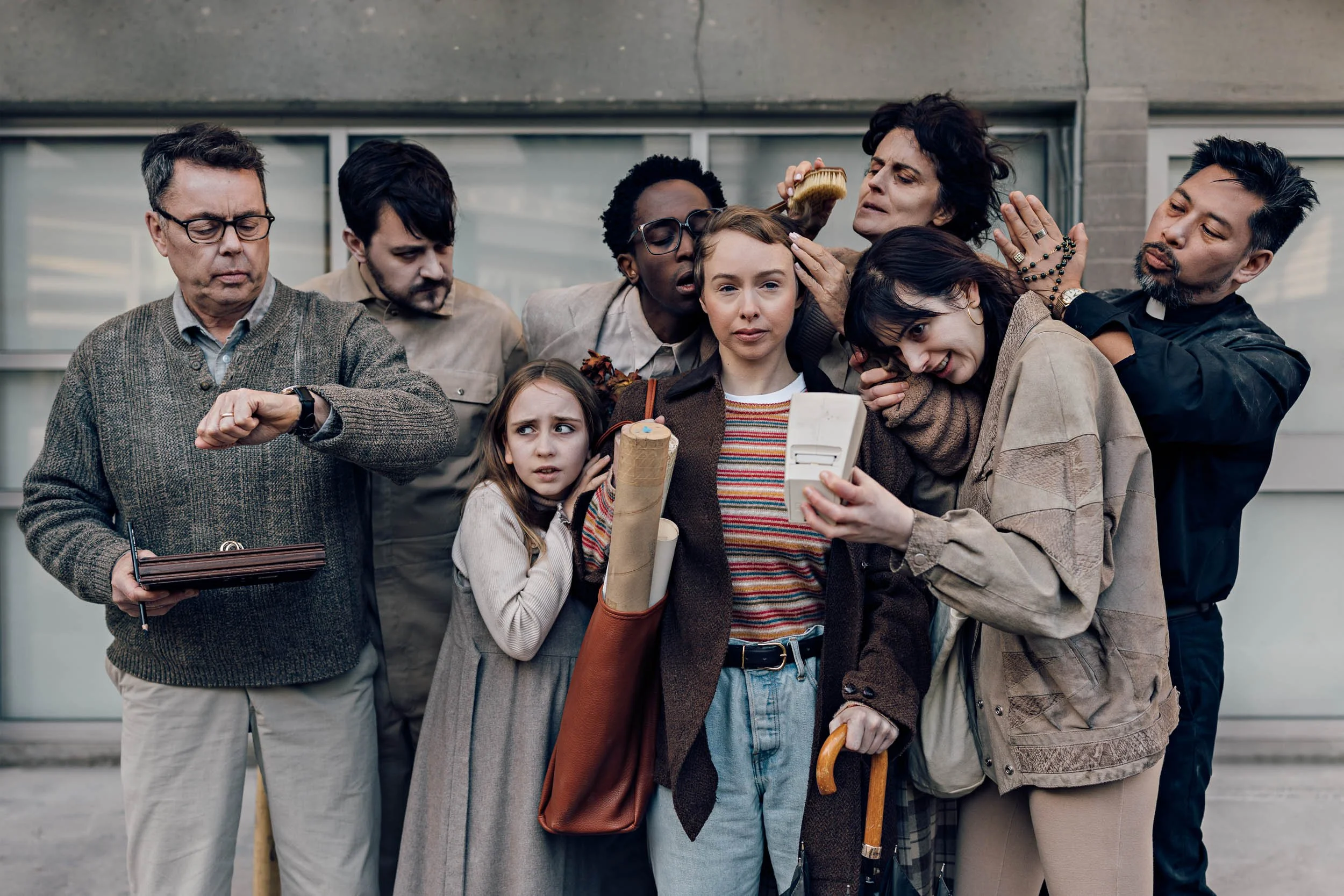
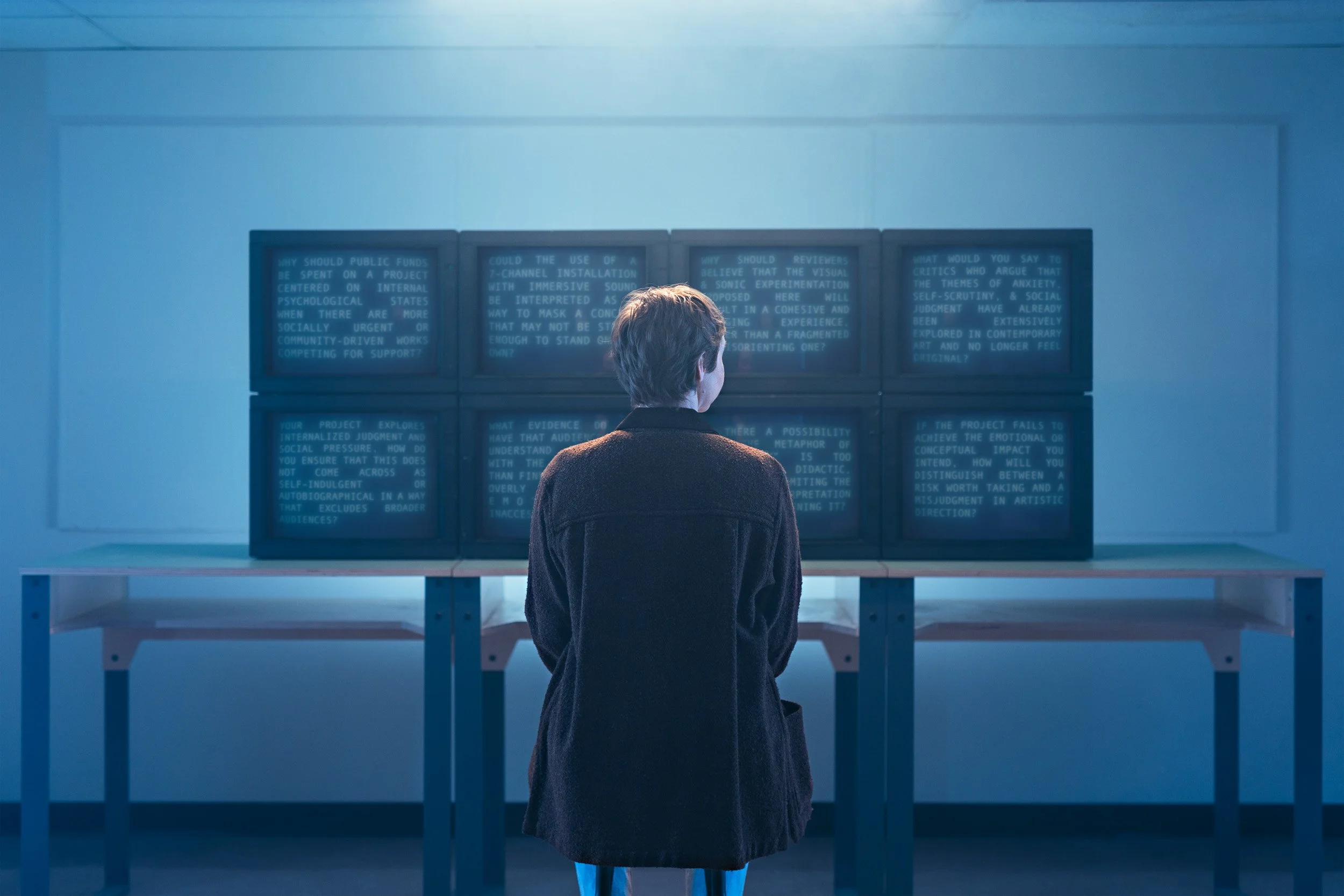
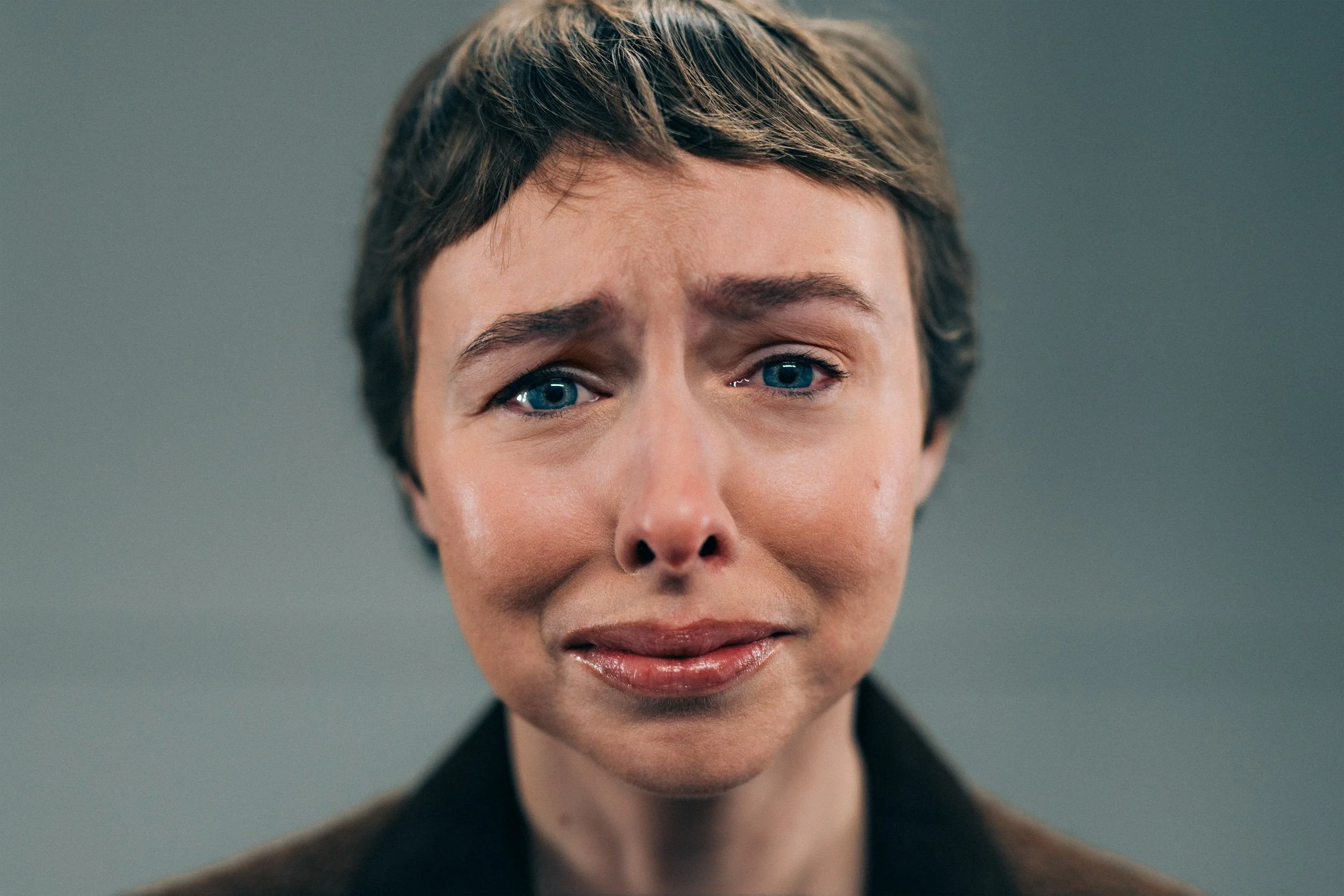
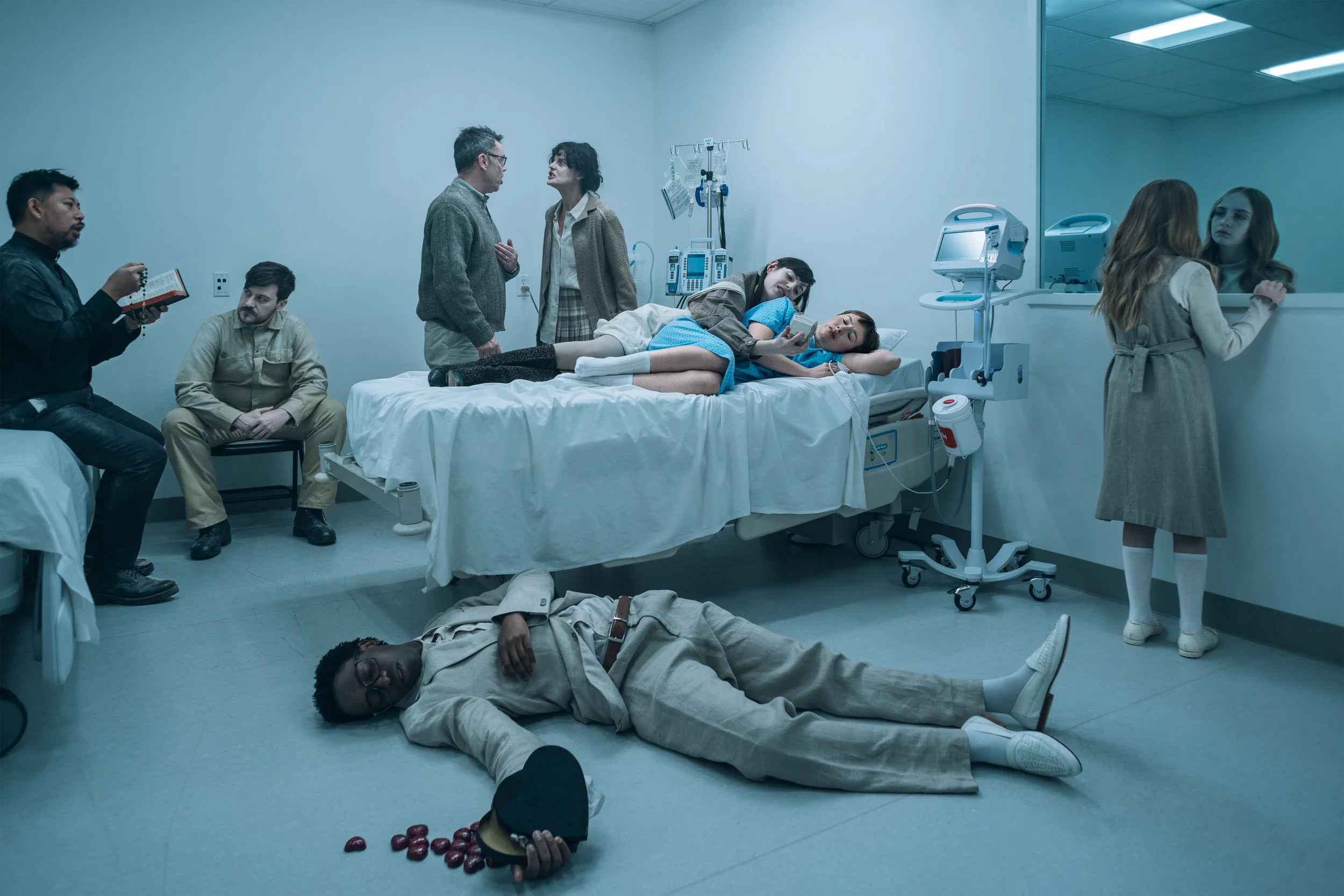
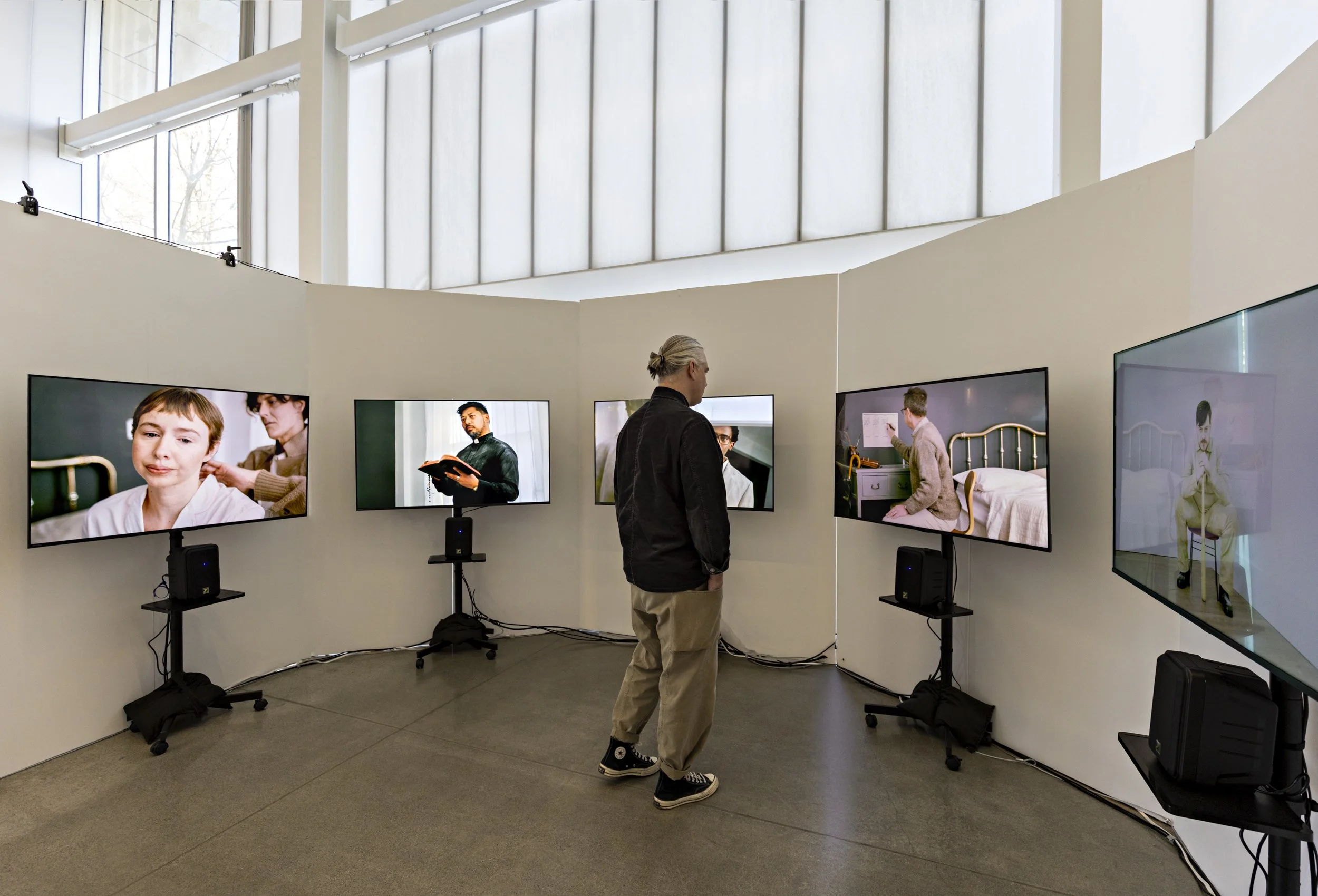
The installation presents photography, sound, and video as equally vital components of a cohesive new media experience.
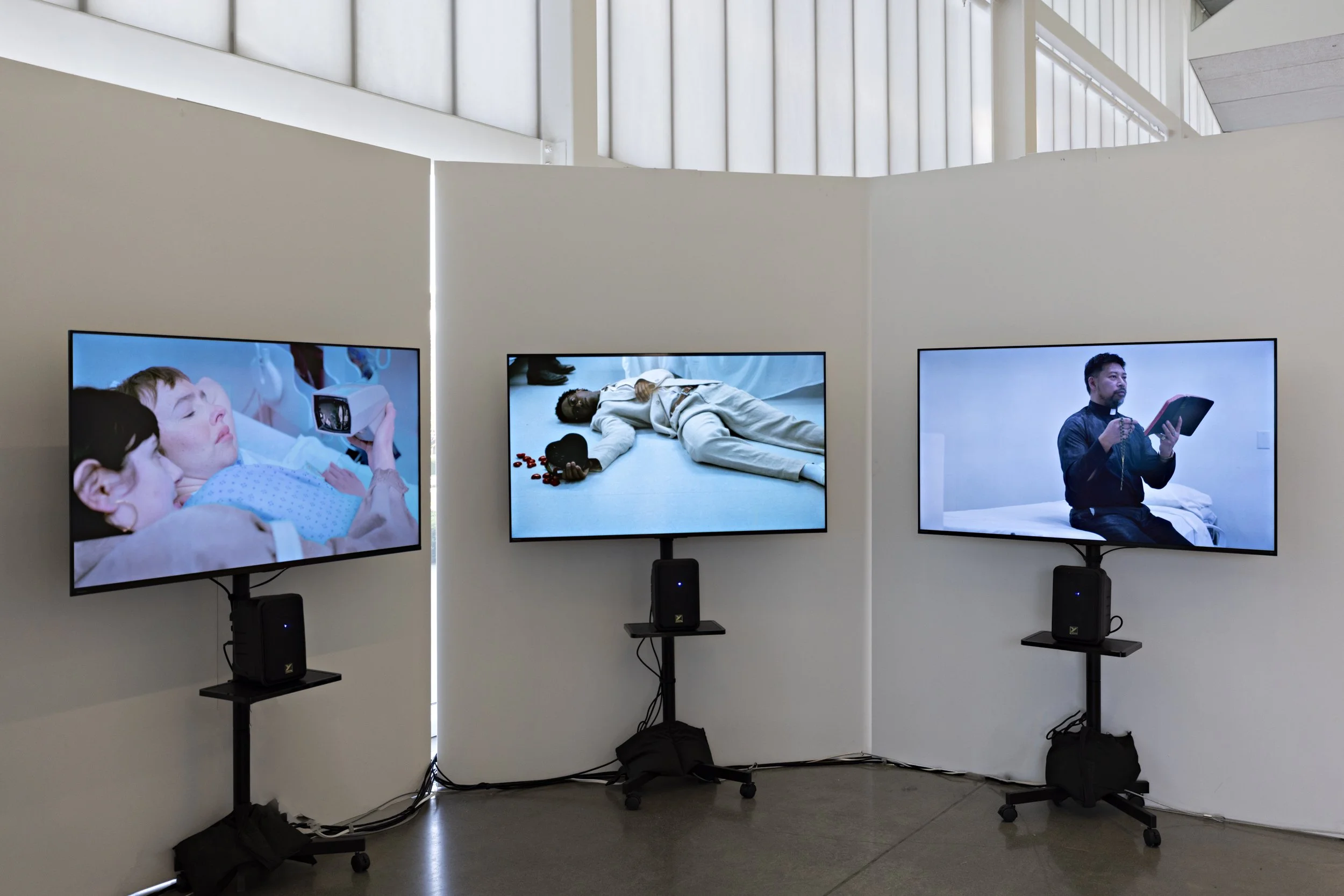
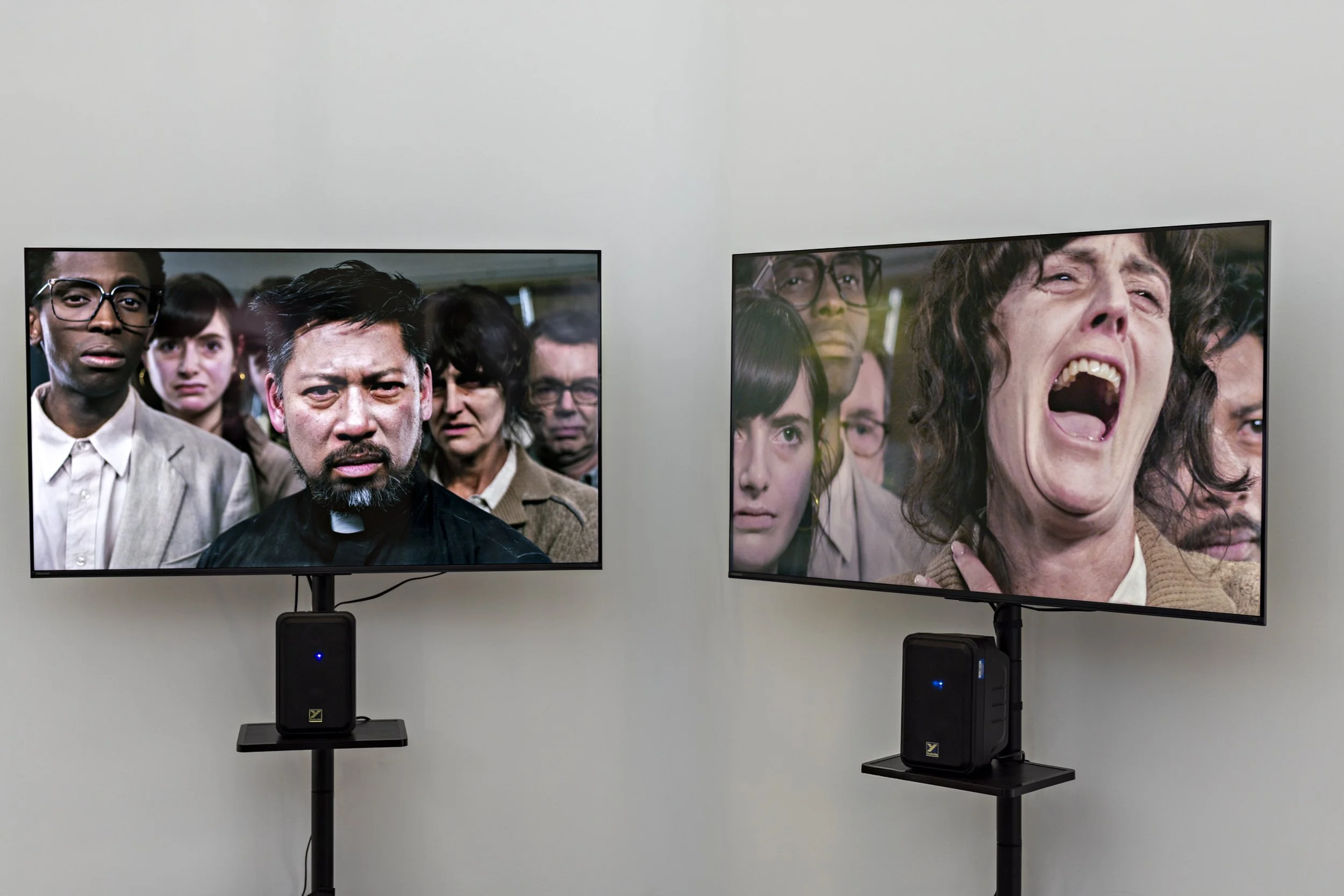
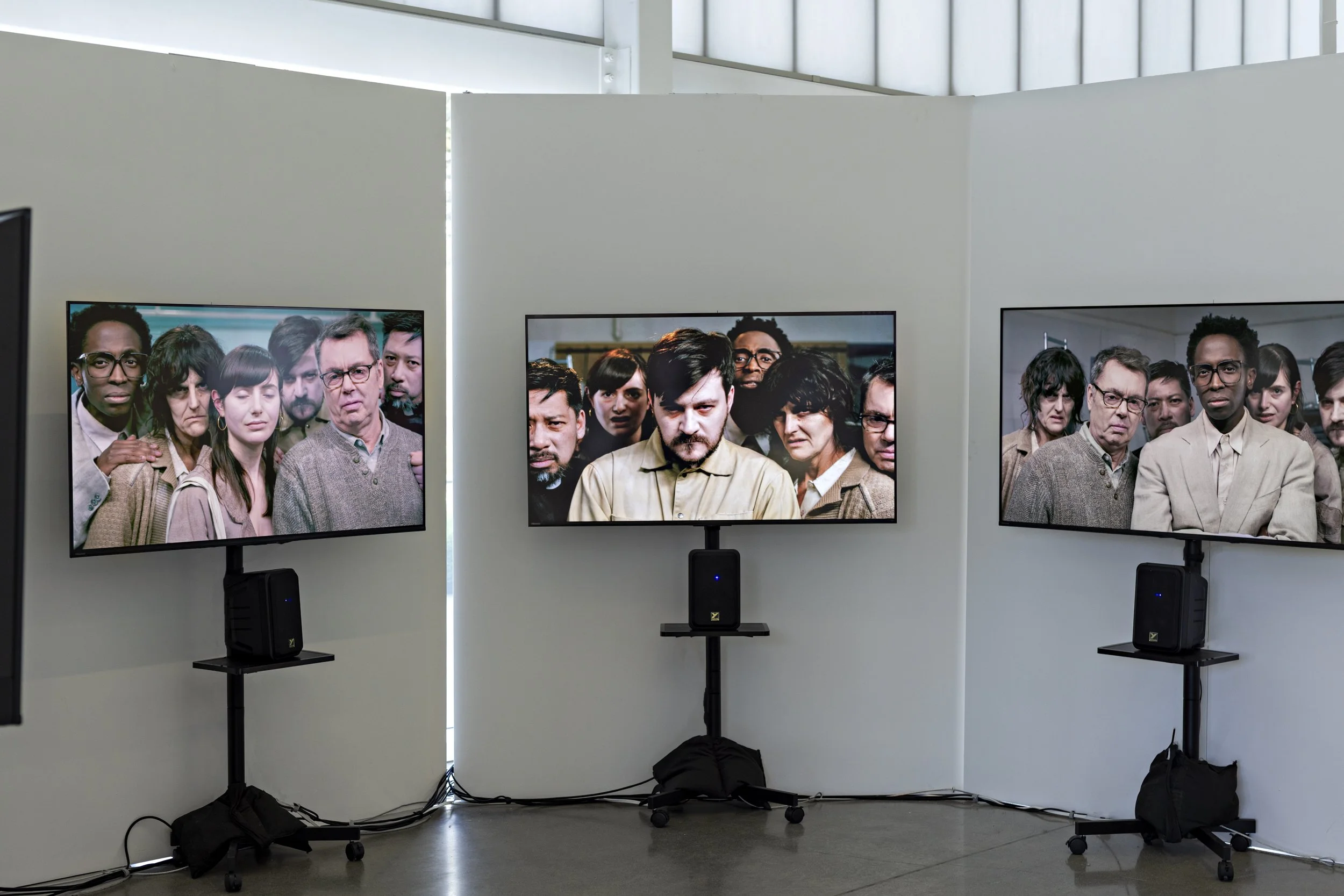
Upon entering the gallery, the viewer encounters a series of photographs that inform the film installation. The centrepiece is a 25-minute multichannel film following a female protagonist navigating a life change. A cast of seven characters, who we call “the jury,” embodies the protagonist’s internalized voices - representing parents and peers to societal and religious pressures - that guide, challenge, or criticize the protagonist.
The film is projected across a heptagonal configuration of seven screens, creating a dynamic interplay between the protagonist and the jury. The protagonist never acknowledges their presence, underscoring the internal nature of these voices. At key moments, the perspective shifts: each jury member fills their own screen, staring directly toward the protagonist. Because these glances are directed into the camera, the effect is startling - the jury seems to fix their gaze on the viewer, collapsing the distance between subject and audience and making the experience inescapably immediate by placing the audience in the role of the protagonist.
The audio design is a crucial element of the installation, creating both intimacy and immersion. It combines layers of original music, abstract sound and field recordings, weaving a sonic landscape that mirrors the shifting nature of thought. Presented in seven discrete channels - one channel of audio for each screen - the soundscape surrounds the audience, amplifying the presence of the jury and placing the viewer directly inside the protagonist’s mind. The multi-channel audio is as integral as the visuals, creating a visceral, embodied experience of self-talk and judgment.
Cast
Lead - Jacqueline Godbout
The Jury:
Mother Figure - Christine Price
Father Figure - Scott Girling
Inner Child - Parker Jacobson
Priest - Cyril Redillas
Adversary - Karl Reay
Soulmate - Tatenda Hatugari
Idol - Rose Marel
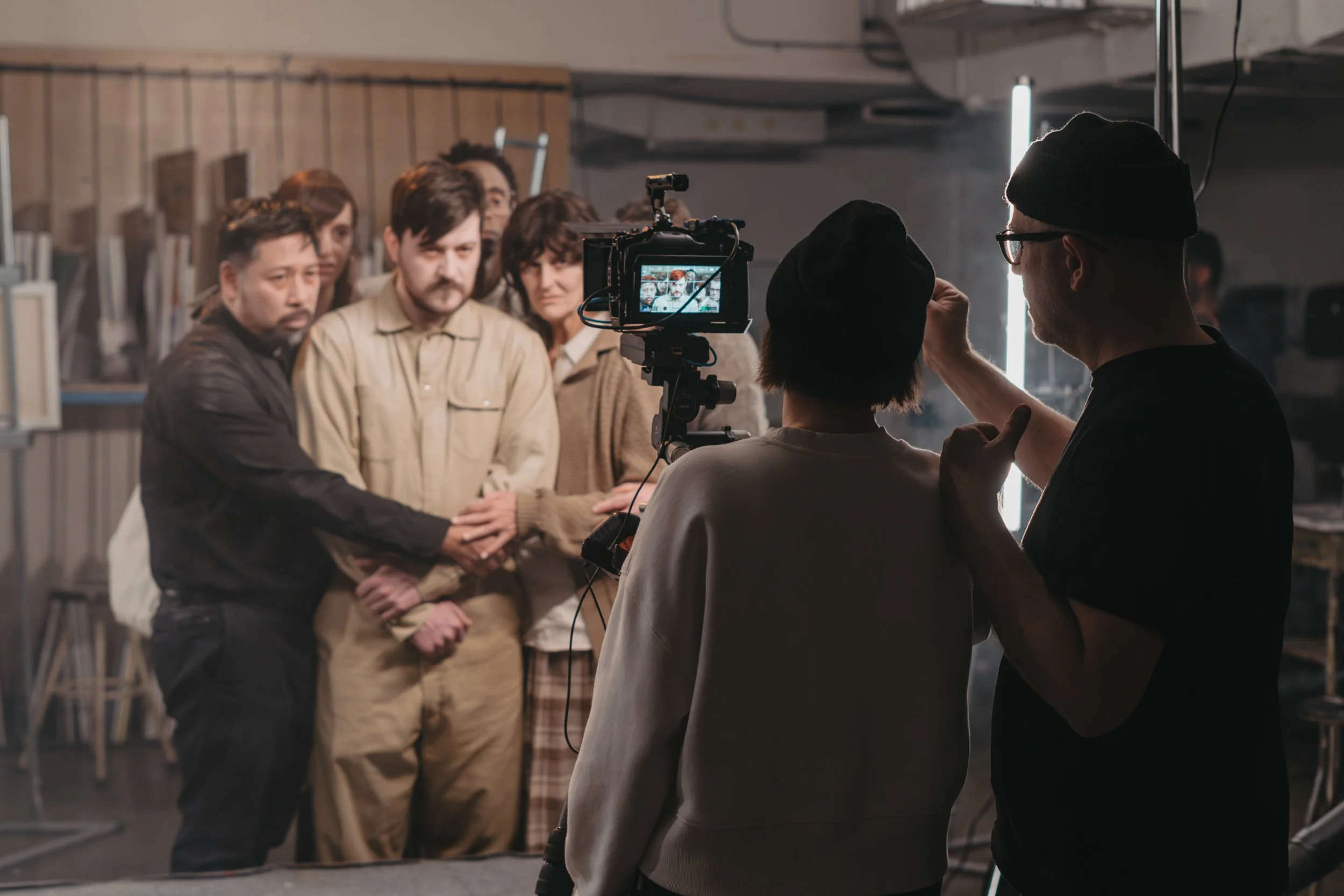
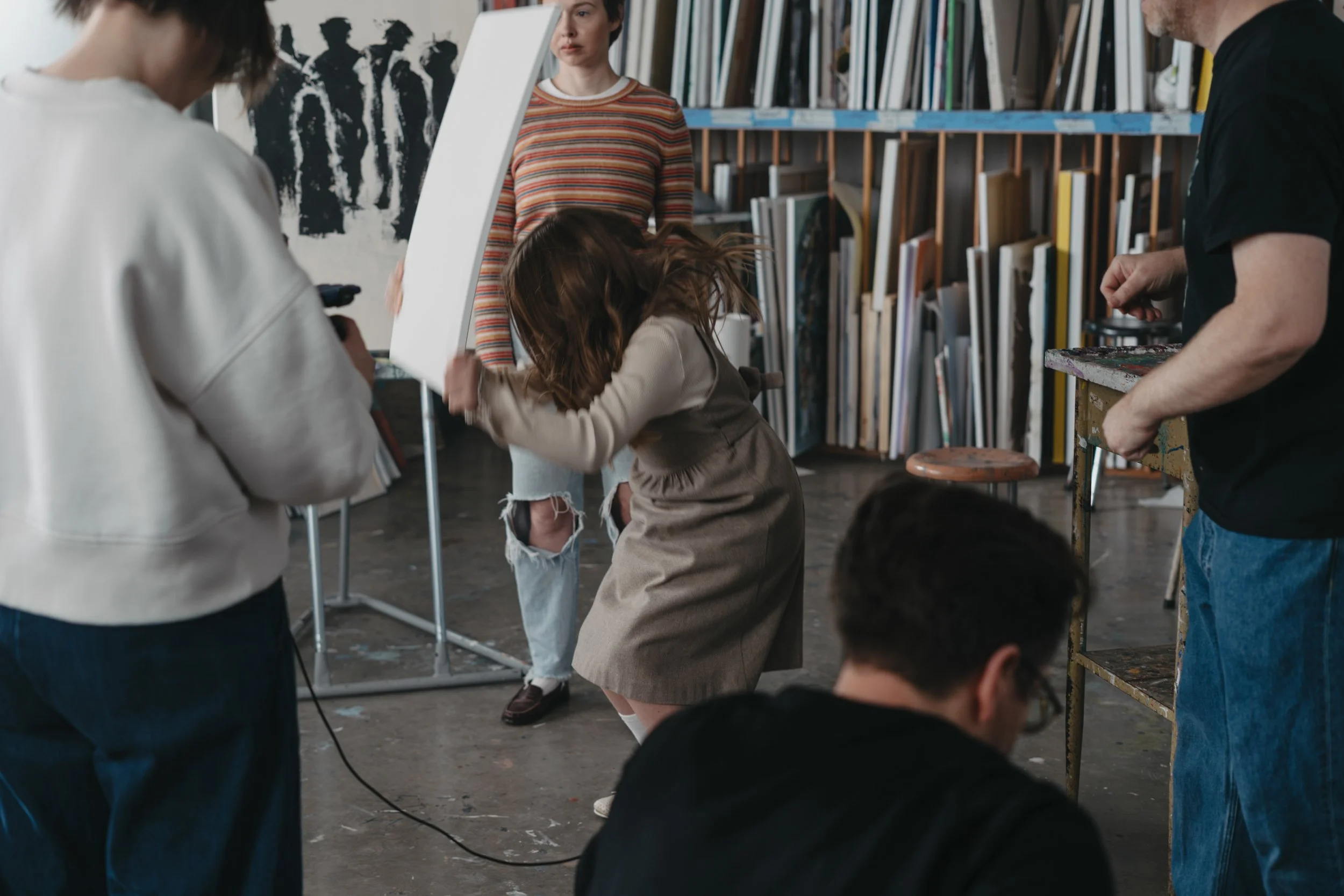
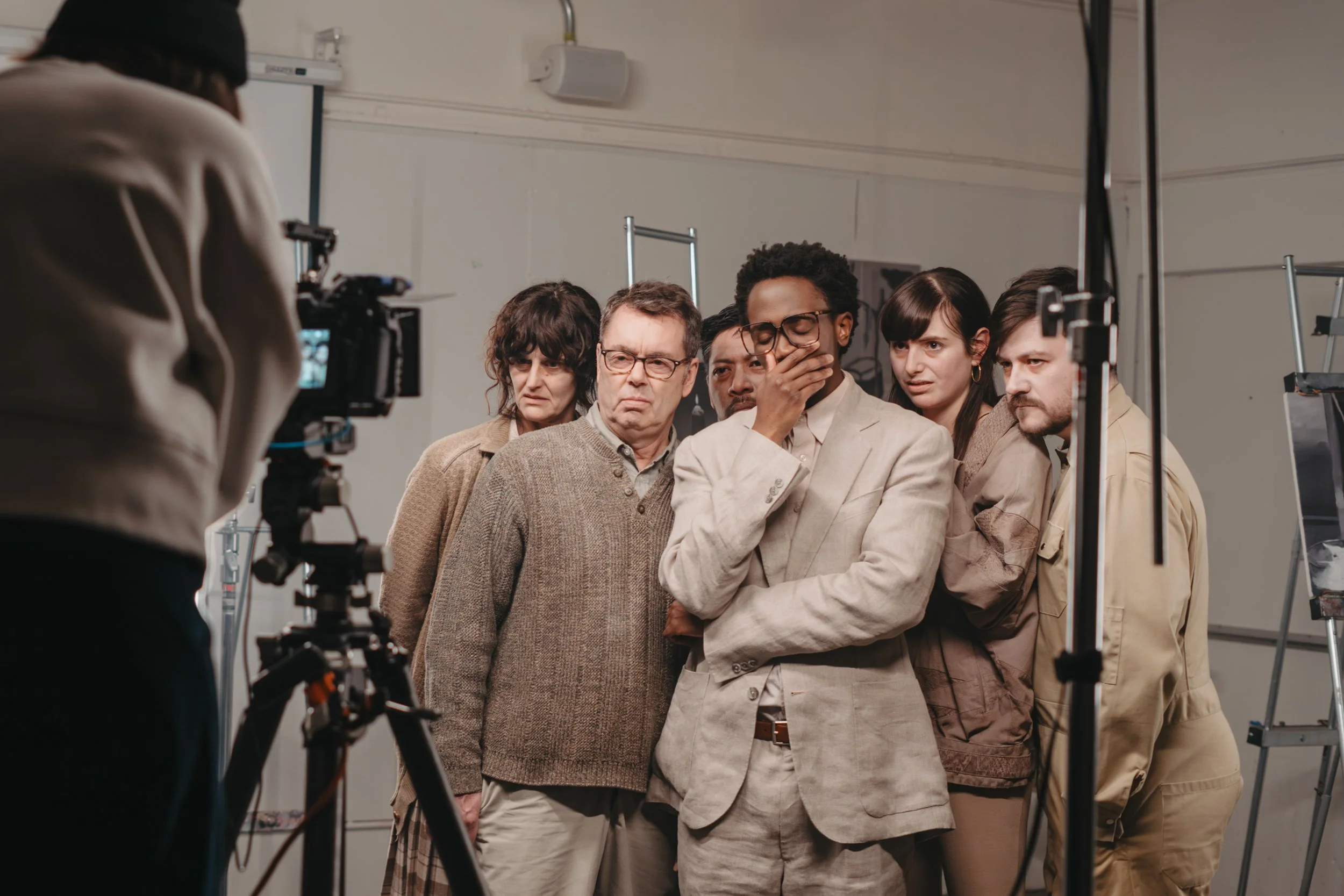
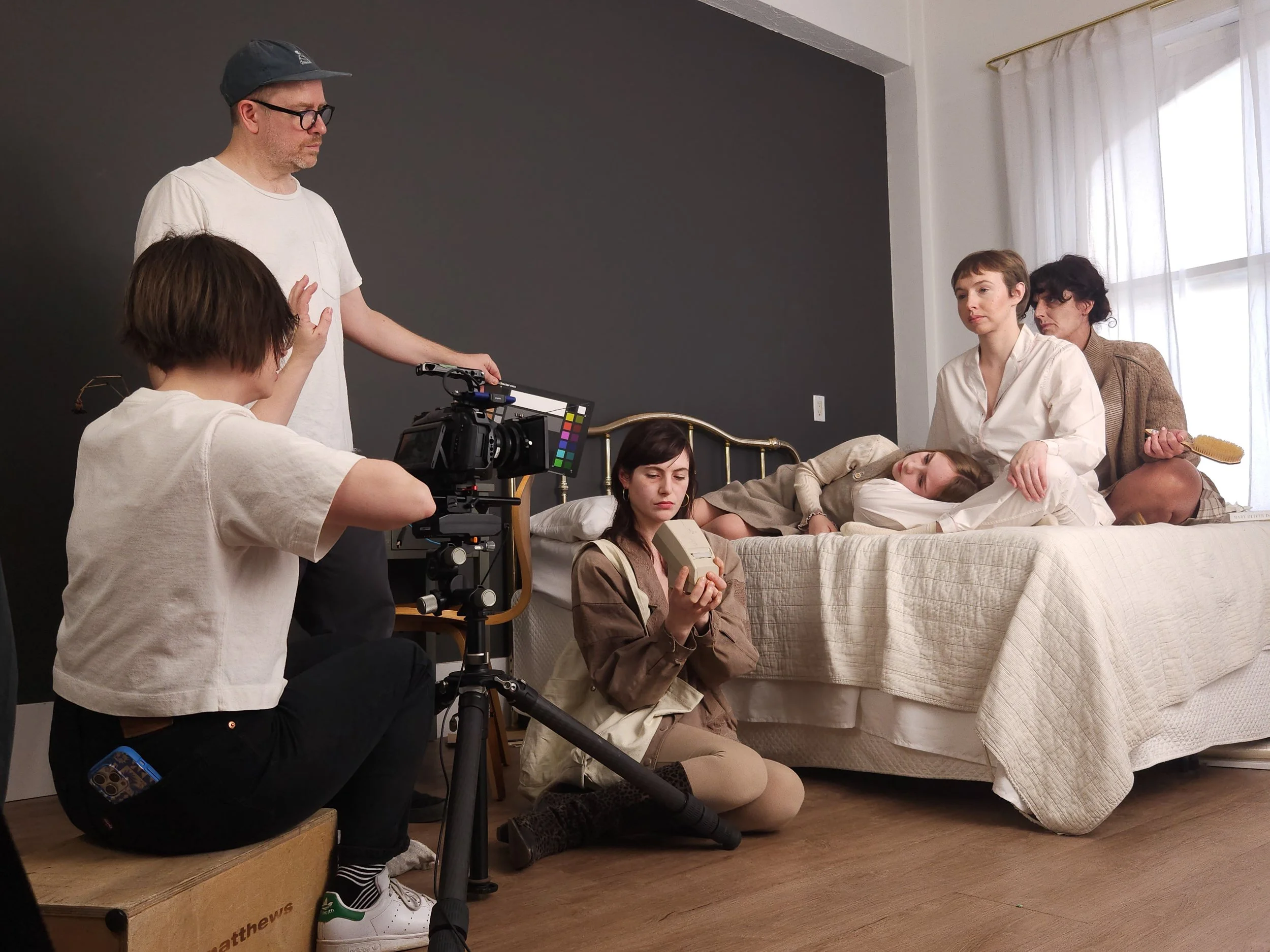
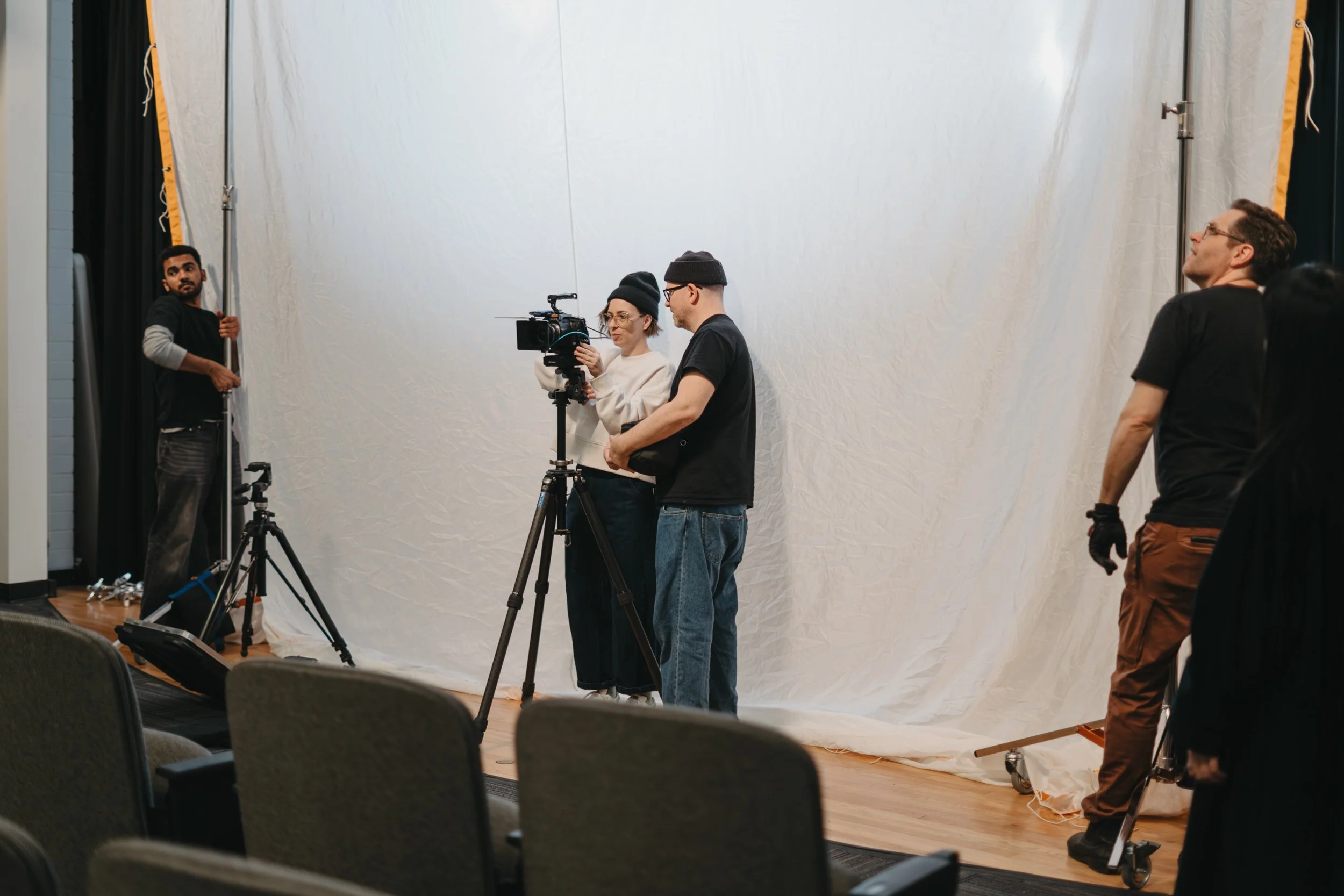
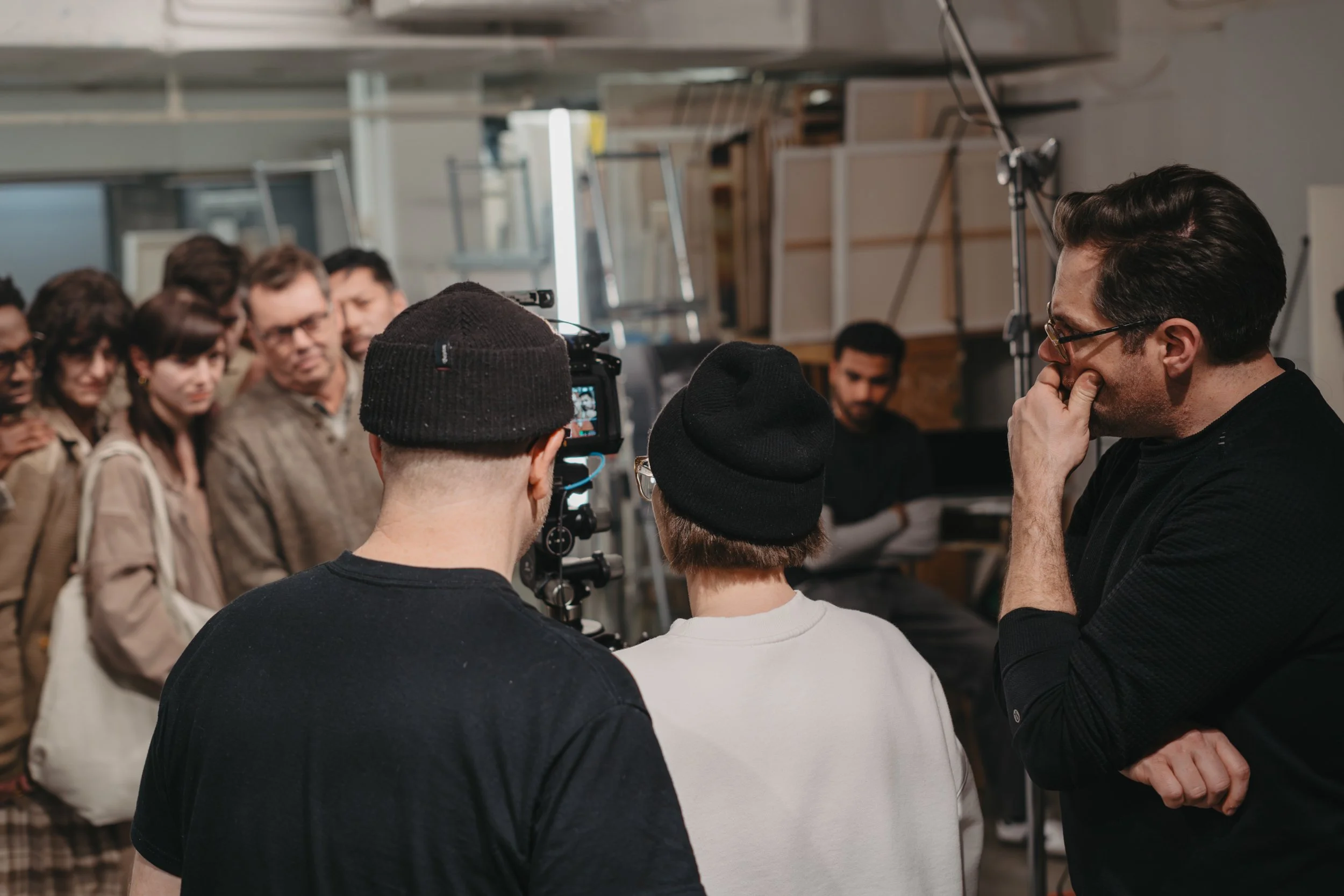
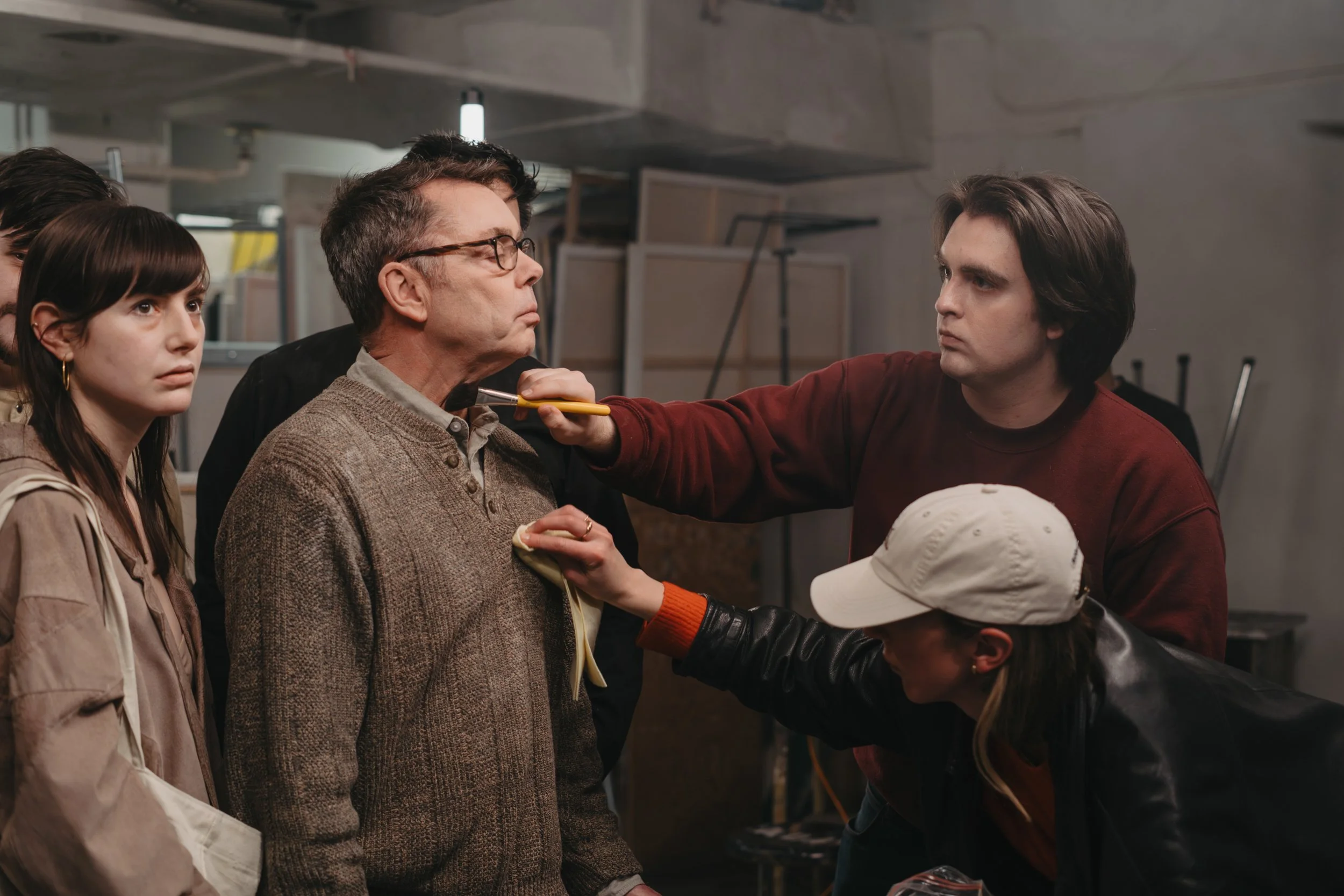
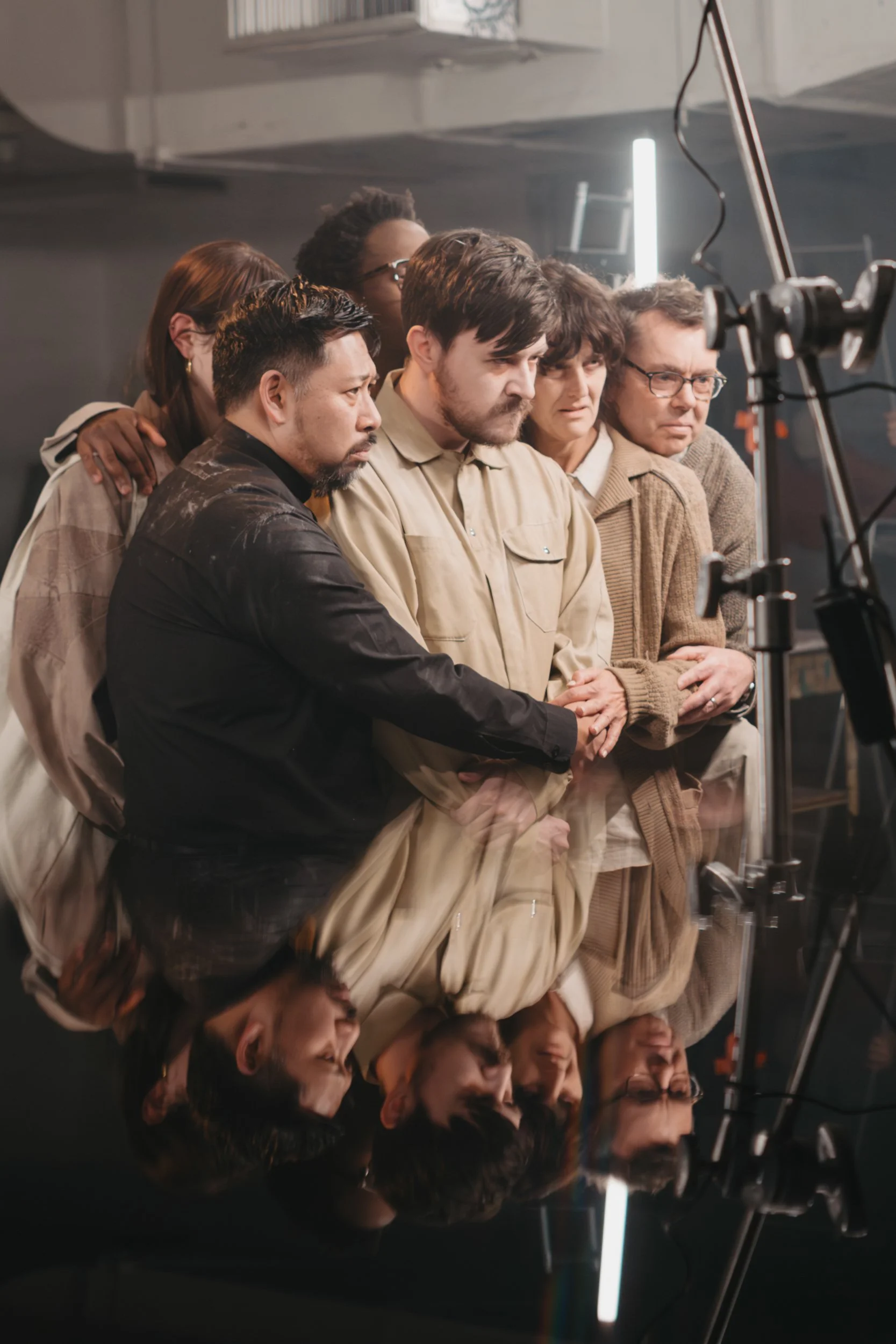
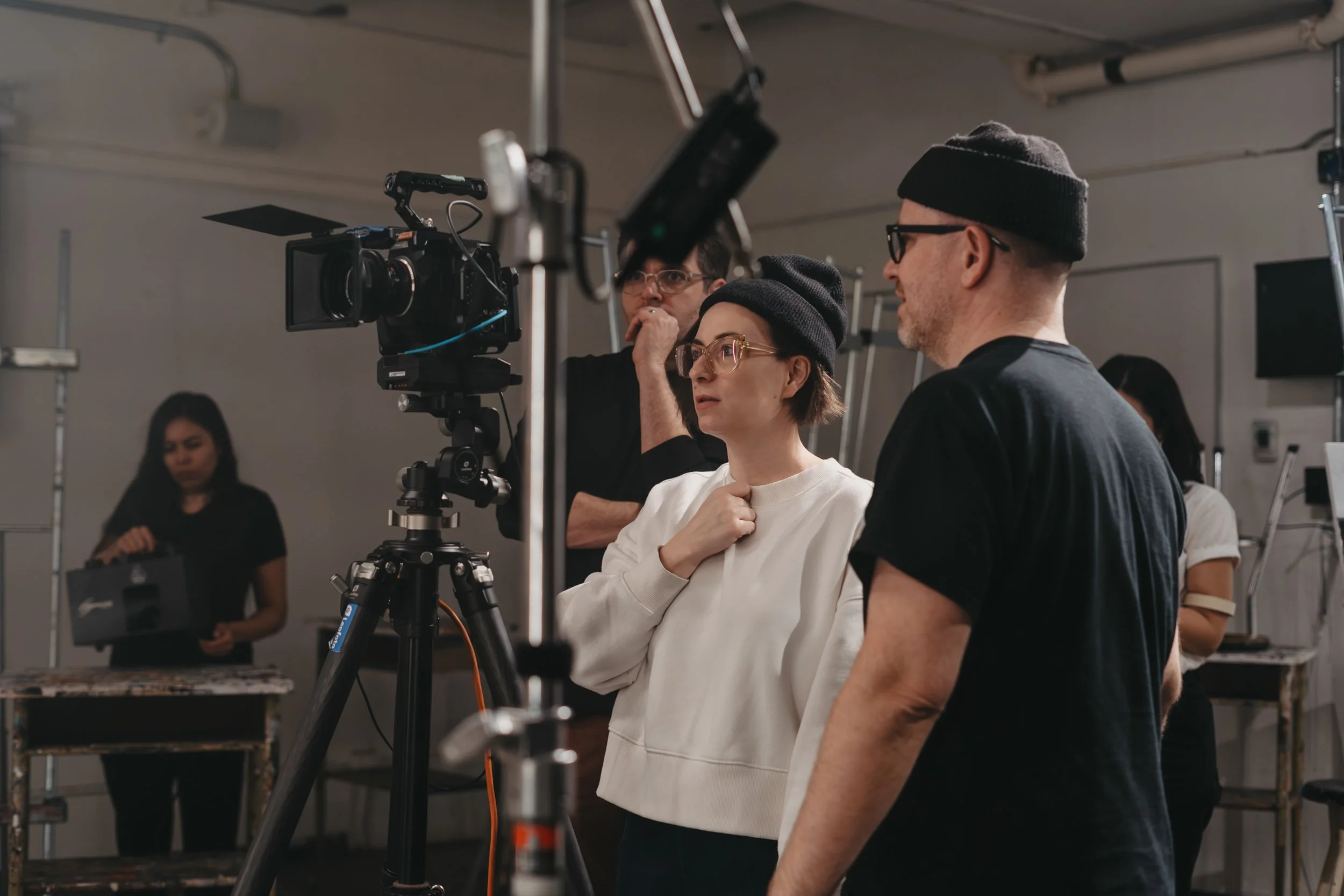
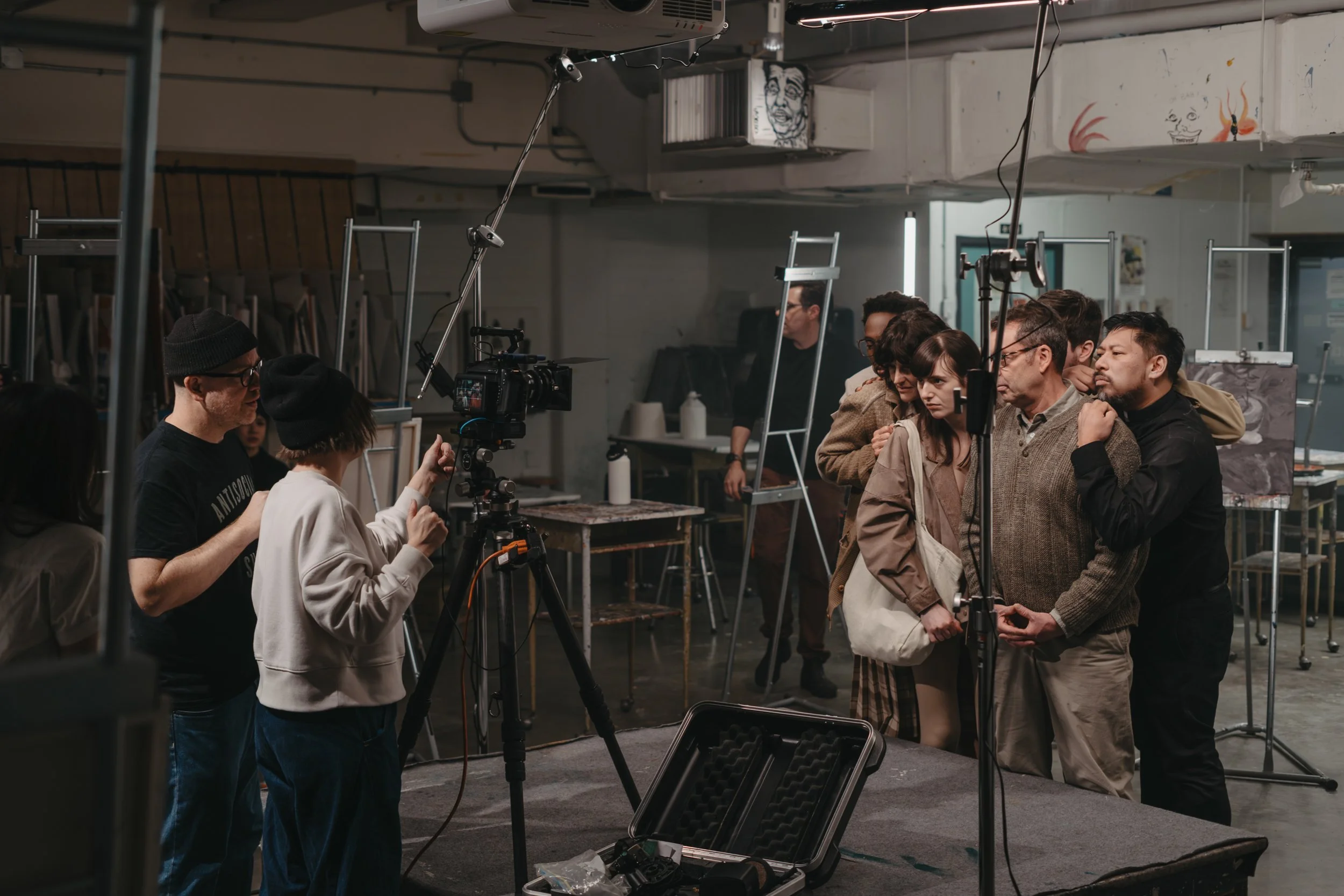
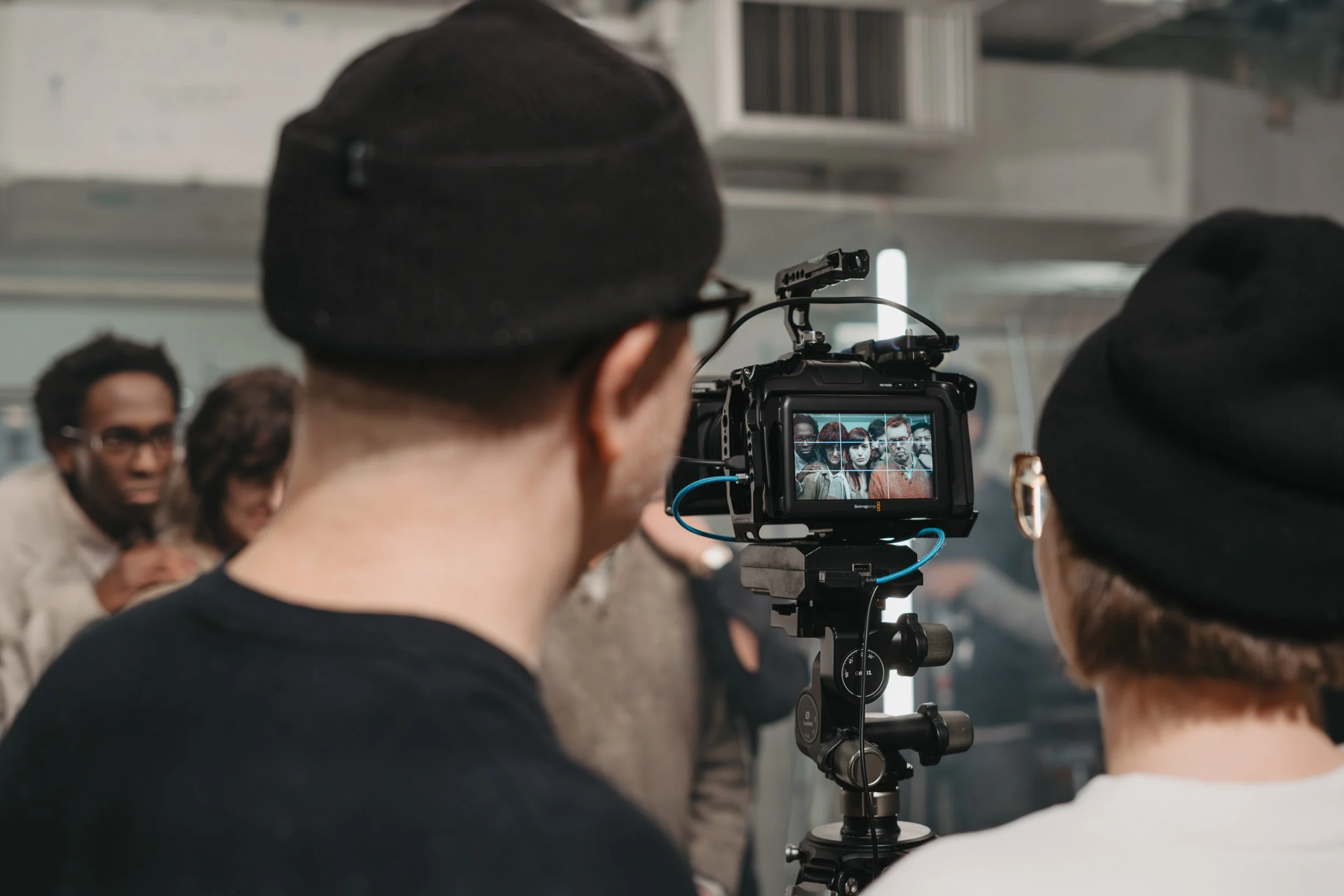
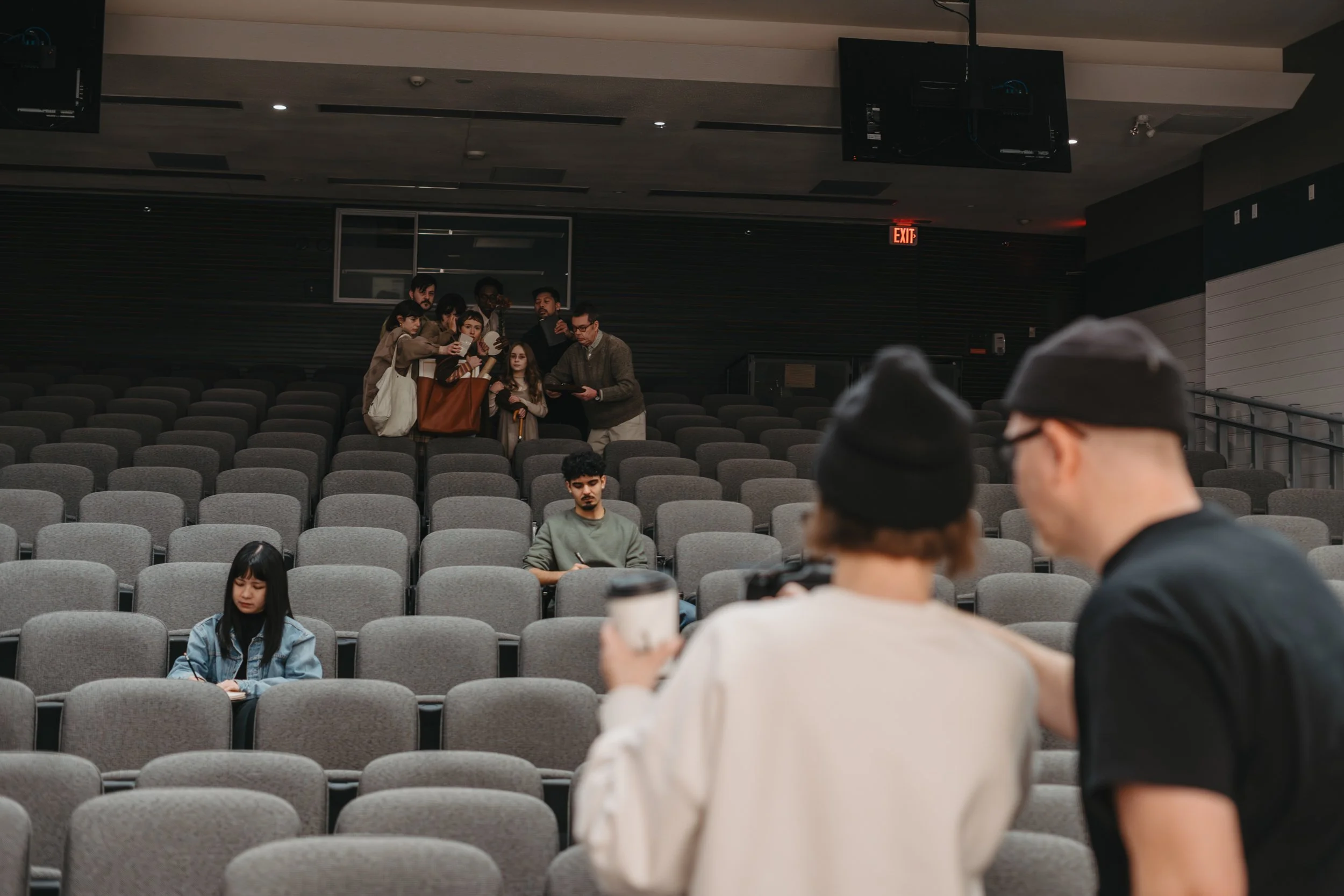
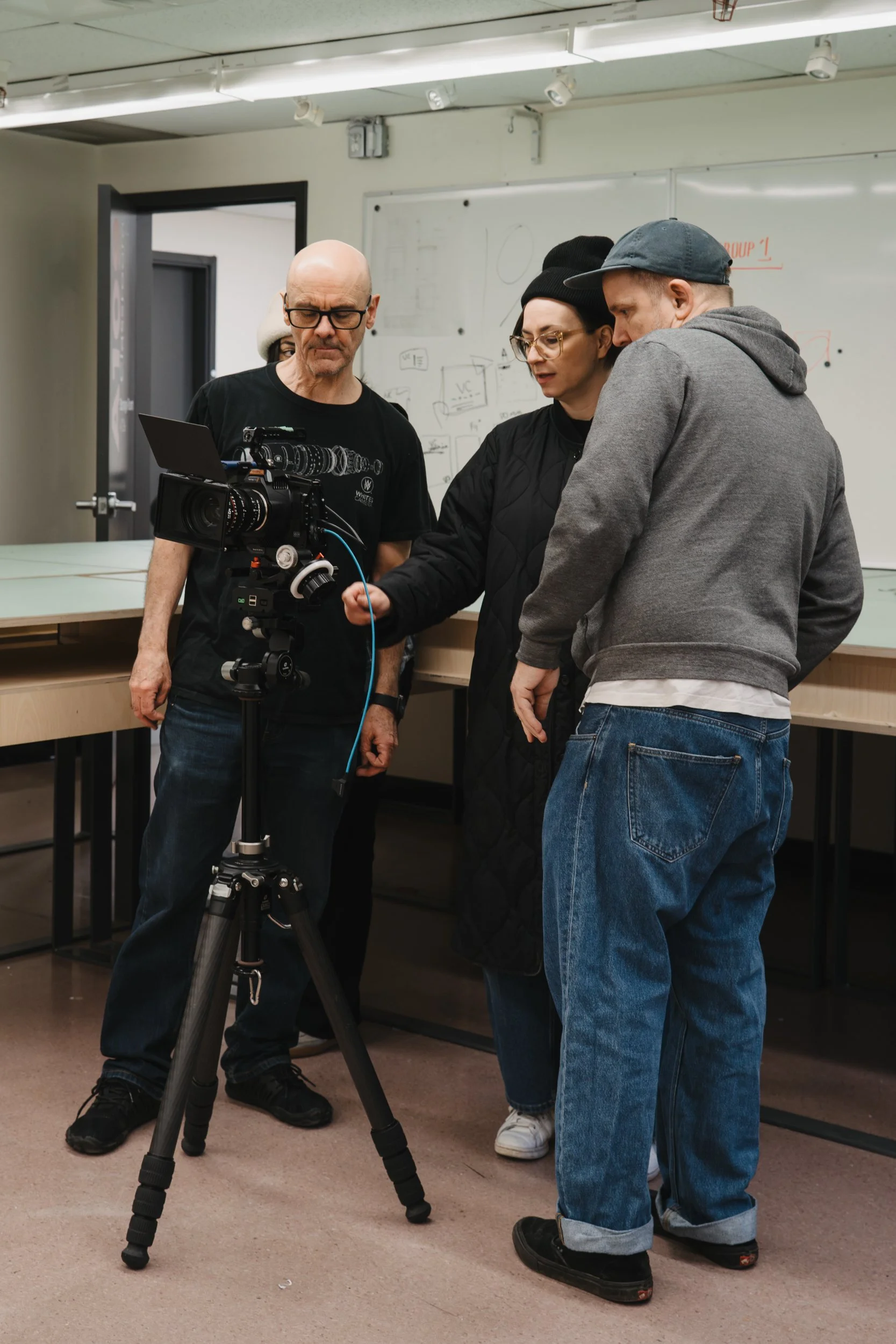
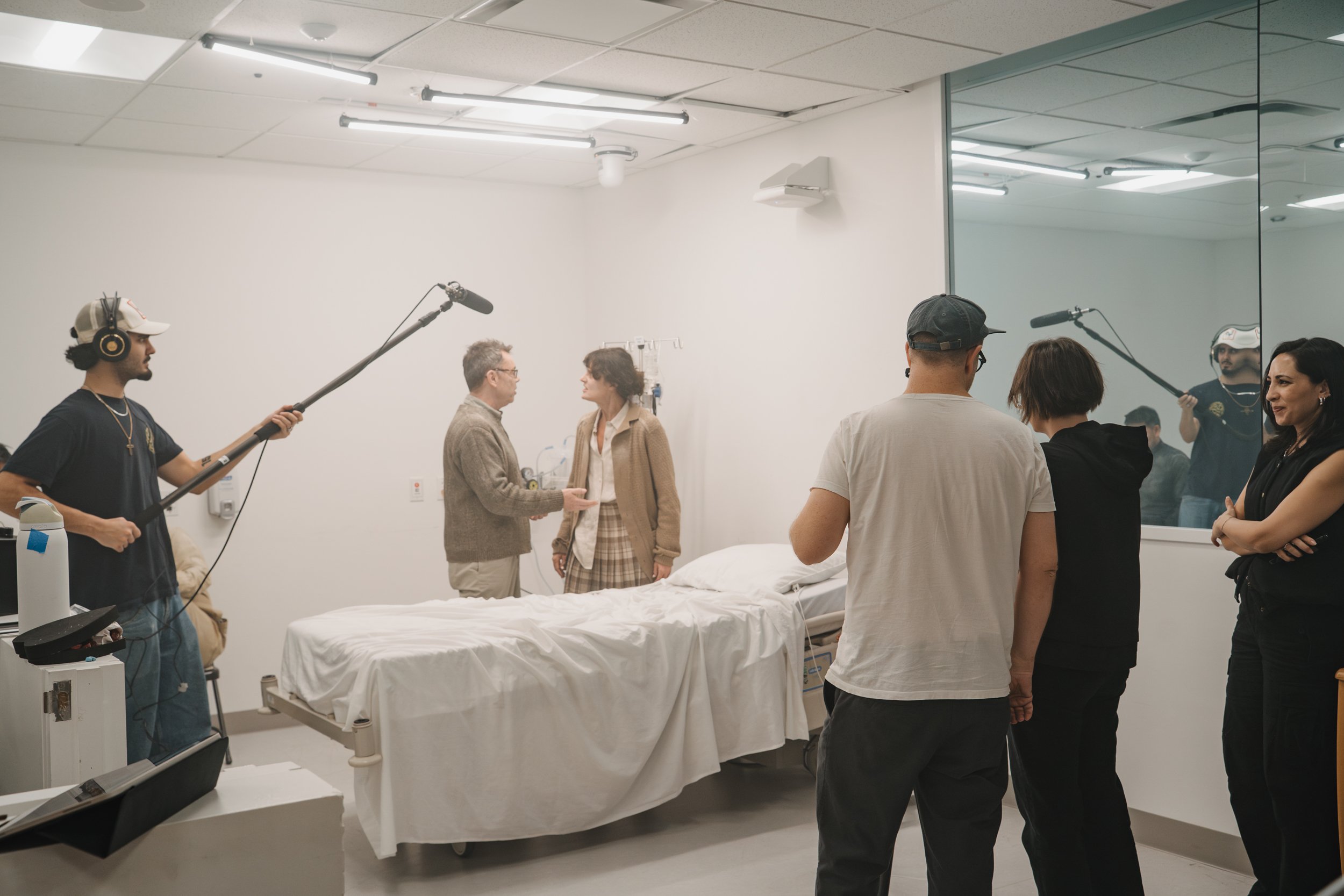
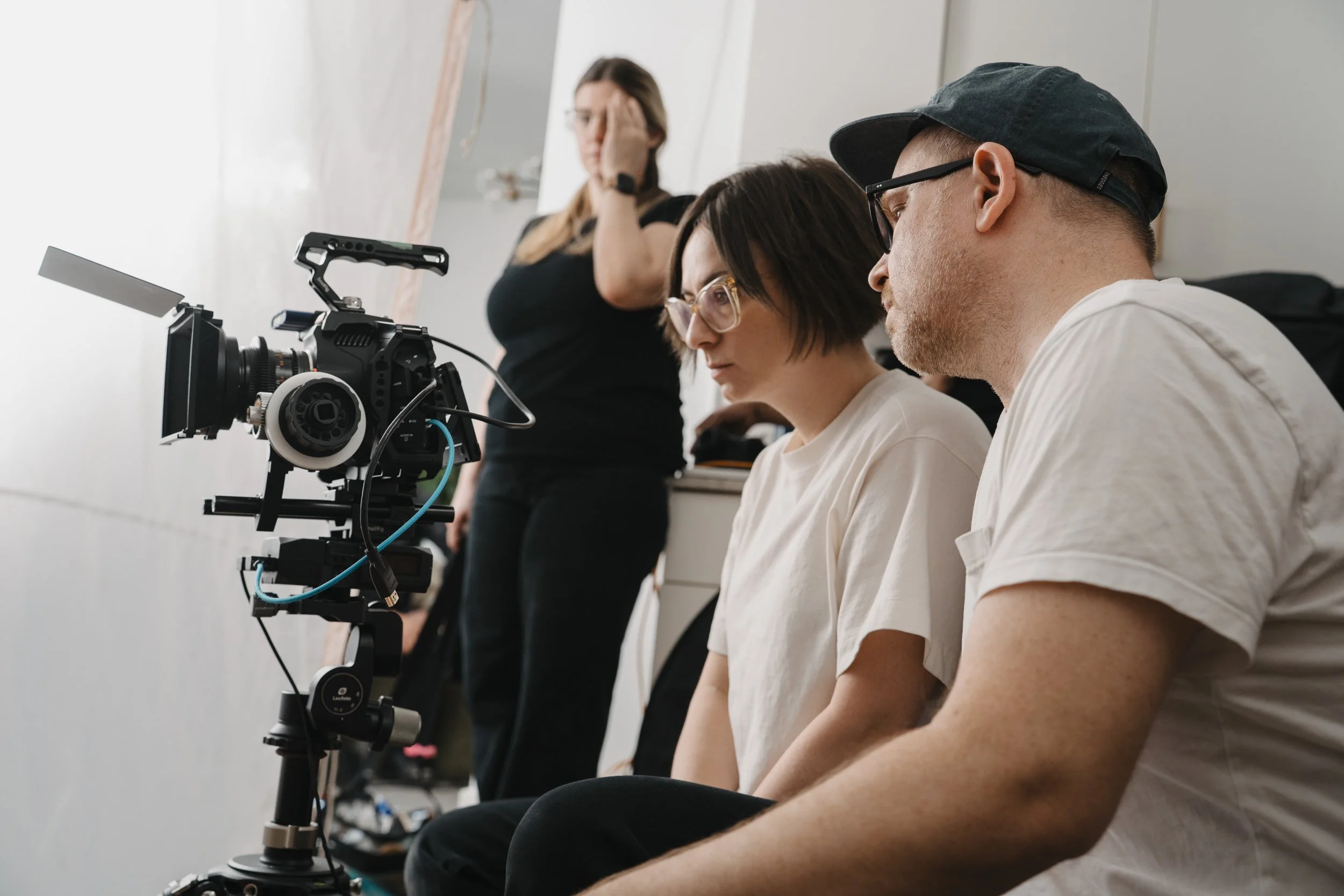
Behind the scenes on set while filming How to Make a Monster. Images by Brianne Mapson and Chau Tran.